Showing posts with label #dentalimplant. Show all posts

Thursday, March 4, 2021

WISDOM TOOTH REMOVAL: WHAT TO EXPECT?


Overview

Wisdom teeth are the teeth that grow at the very back of the mouth. These are also known as the third molars and come into the mouth between the ages of 17 and 25. There are a total of four wisdom teeth, one in each quadrant of the mouth.

FAQ: Wisdom Tooth Extraction | All Pro Dental

Sometimes, there is not enough room in the mouth for these wisdom teeth to erupt into the right position. They might come out through the gums at an angle or only come through partially. This occurrence is called as impaction of wisdom teeth. Impacted wisdom teeth may lead to problems such as pain or infections. Some people may not have any wisdom teeth at all.

https://247dental.com.au/wp-content/uploads/page1image7592.jpg.jpg


Problems due to impactions:

·         Pain- that could be localized to the area of the tooth or radiating to other areas of the head and neck.

·         Swelling

·         The impacted wisdom  may  apply pressure on the adjacent tooth and cause cavities or resorption of the root.

·         Reduced mouth opening.

Wisdom Teeth


Preparation:

·         Ensure that you take a suitable appointment and keep to it.

·         Eat a decent meal prior to the surgery, nothing too heavy. Don’t be on an empty stomach.

·         Discuss any medication you may be on with the surgeon so that they can plan / modify the treatment accordingly.

·         Ensure that the medications prescribed by the surgeon are taken prior to surgery.

·         Wisdom teeth extraction is an outpatient surgery, which means you arrive and leave the surgery center on the same day. 


Procedure:

·         The Dentist will take an X ray to determine the location of the wisdom tooth, whether it is angulated and its proximity to various vital structures in the jaw.

·         The Dental Surgeon will then administer local anaesthesia around the impacted wisdom tooth  to numb the area.

·         If the tooth hasn't erupted into the mouth or is partly covered by the gums, a small cut  will be made through the gums to reach the tooth. In certain cases, a part of the bone covering the tooth may also have to be cut and removed.

·         As the dentist performs the procedure, a certain amount of pressure may be felt by you.

·         Stitches may be placed as required and if these are non resorbable, you will need to visit the surgeon after 7 days to get them removed.

·         The length of time it takes to remove a wisdom tooth depends on the tooth and the difficulty of the surgery.

What Exactly is a Wisdom Tooth? - Capstone Clintonville Dentist


Post surgery:

·         Sometimes, the surgery causes bruising, swelling, and pain, which will also require time to heal

·         Wisdom teeth recovery usually takes three to four days.

·         If your teeth were impacted, it could take as long as a week or two to heal.

·         Pain usually lasts from three days to one week

·         You may find difficulty in opening the mouth

·         Slight bruising of the cheeks and lips

Wisdom Teeth Removal - Recovery Time, Procedure & FAQ


Post surgical instructions:

·         The dentist will place a piece of cotton or gauze and ask you to bite on it. This can be removed 30-45 minutes after extraction.

·         Eat or drink cold foods and beverages throughout the day

·         Avoid any activity that applies pressure on the mouth, such as sucking, spitting, whistling, blowing a balloon, etc

·         Avoid  foods that can easily get into the sockets and in teeth and cause pain and damage to the healing wounds, like: Sticky candy Chewing gum Hard, crunchy food like chips, pretzels, nuts, and seeds and extremely hot food

·         Rinse your mouth with luke warm water in which salt has been added, 3-4 times a day after 24 hours of removal to speed up healing.

·         Eat the medicines prescribed by the doctor.

·         Gently open and close your mouth to exercise your jaw.

·         Avoid smoking and drinking for a few days after removal.

Care after tooth extraction/removal | Wisdom teeth, Wisdom teeth removal, Wisdom  tooth extraction


Follow up

·         Ensure that you visit the dentist for a follow up as and when scheduled so that the stitches (if any) can be removed and the healing process can be evaluated.

Friday, February 28, 2020

WHAT ARE DENTAL IMPLANTS?

WHAT ARE DENTAL IMPLANTS?

Dental implants as we know them today were invented in 1952 by a Swedish orthopedic surgeon named Per-Ingvar BrÃ¥nemark. Today, they are considered the standard of care for prosthetic replacement of missing teeth.
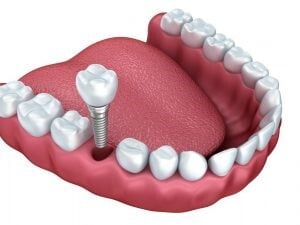
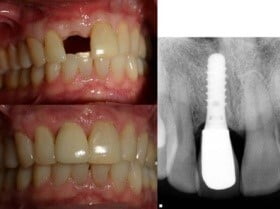
In dentistry, a dental implant is a surgical fixture that is placed into the jawbone and allowed to fuse with the bone over the span of a few months. It acts as a replacement for the root of a missing tooth. In turn, this "artificial tooth root" serves to hold a replacement tooth.
Having a dental implant fused to the jawbone is the closest thing to mimicking a natural tooth because it stands on its own without affecting the nearby teeth and has great stability. Most dental implants are made of titanium, which allows them to integrate with bone.

ARE IMPLANTS SAFE AND HOW LONG WILL THEY LAST?
Implants are a safe, well-established treatment. Much like natural teeth, implants will last for as long as you care for them.
How well you look after your implants, and whether you go for your regular maintenance appointments will have the biggest impact on how long they will last. If you don't look after your implants they will develop a coating similar to what you get on neglected natural teeth. Left untreated, this can lead to
Gum infection,
Bleeding,
Soreness
General discomfort, similar to what would occur with natural teeth.
ARE YOU A CANDIDATE FOR DENTAL IMPLANTS?
The ideal candidate for a dental implant is in good general and oral health. Adequate bone in your jaw is needed to support the implant, and the best candidates have healthy gum tissues that are free of periodontal disease.


WHAT ARE THE ADVANTAGES OF DENTAL IMPLANTS?
There are many advantages to dental implants, including:
  • Improved appearance. Dental implants look and feel like your own teeth. And because they are designed to fuse with bone, they become permanent.
  • Improved speech. With poor-fitting dentures, the teeth can slip within the mouth causing you to mumble or slur your words. Dental implants allow you to speak without the worry that teeth might slip.
  • Improved comfort. Because they become part of you, implants eliminate the discomfort of removable dentures.
  • Easier eating. Sliding dentures can make chewing difficult. Dental implants function like your own teeth, allowing you to eat your favorite foods with confidence and without pain.
  • Improved self-esteem. Dental implants can give you back your smile and help you feel better about yourself.
  • Improved oral health. Dental implants don't require reducing other teeth, as a tooth-supported bridge does. Because nearby teeth are not altered to support the implant Individual implants also allow easier access between teeth, improving oral hygiene.
  • Durability. Implants are very durable and will last many years. With good care, many implants last a lifetime.
  • Convenience. Removable dentures are just that; removable. Dental implants eliminate the embarrassing inconvenience of removing dentures, as well as the need for messy adhesives to keep them in place.
Uses:


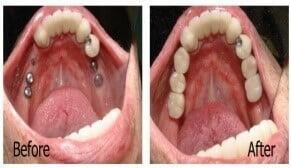
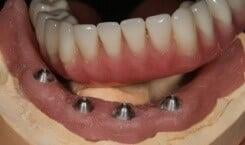
  • Replacing All of Your Teeth                                                                                                                                                                                                                                                                                                                                                              
HOW LONG DOES THE TREATMENT TAKE?
Some false teeth can now even be fitted at the same time as the implants (these are called ‘immediate implants').
Usually the false teeth are fitted 3 to 4 months after the implants are put in. Sometimes treatment takes longer and your dental team will be able to talk to you about your treatment time.

WHAT CAN you EXPECT AFTER RECEIVING A DENTAL IMPLANT?
Your own teeth require conscientious at-home oral care and regular dental visits. Dental implants are like your own teeth and will require the same care. In order to keep your implant clean and plaque-free, brushing and flossing still apply!
Periodic follow-up visits will be scheduled to monitor your implant, teeth and gums to make sure they are healthy.

ITS Dental Hopital, Greater Noida has a dedicated implantology centre and highly trained doctors, skilled at placing implants. Visit us to know more!!


     https://www.dentalhealth.org/dental-implants

POPULAR COSMETIC DENTISTRY TREATMENTS: WHAT YOU NEED TO KNOW

  Your smile is one of the first things people notice about you. The constant search for obtaining that perfect smile has made cosmetic dent...